Ultimate frisbee championships set the stage for an exhilarating narrative, offering readers a glimpse into a story that is rich in detail and brimming with originality from the outset. These championships not only showcase the skills of athletes but also highlight the sport’s growth and its unique cultural significance worldwide.
From its humble beginnings to the organized tournaments we see today, the history and evolution of Ultimate frisbee championships demonstrate how the sport has fostered a community built on friendship, respect, and competition.
Overview of Ultimate Frisbee Championships
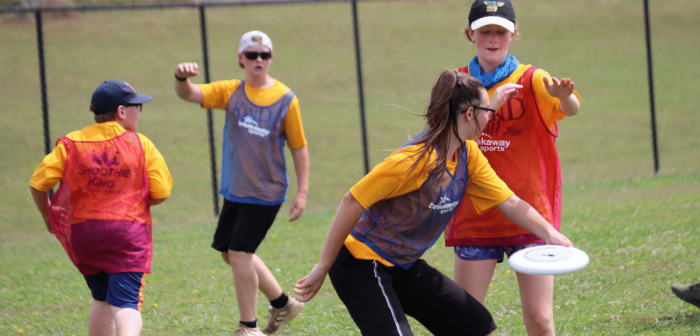
The Ultimate Frisbee Championships represent a pinnacle in the sport’s competitive landscape, showcasing the skill, athleticism, and strategy of top teams from around the globe. Originating in the late 1960s, Ultimate Frisbee quickly evolved from informal games to organized competitions, with championships emerging as a key component of its growth. Today, these tournaments not only highlight the best players but also serve as a platform for promoting the sport internationally.The structure of Ultimate Frisbee championships has adapted over the years to accommodate growing participation and global interest.
Typically, championships are organized in a series of regional and national qualifiers leading up to a final tournament. Teams often compete in a round-robin format, with the best performing teams advancing to elimination rounds. This competitive format ensures that only the most skilled players have the opportunity to contend for the championship title.
Historical Evolution of Ultimate Frisbee Championships
Ultimate Frisbee championships have undergone significant transformation since their inception. The first organized tournament took place in 1975, with the first official national championship occurring in the United States in 1979. Over the years, the sport has seen an increase in the number of participating teams and the establishment of various leagues worldwide. Key milestones in the evolution of Ultimate Frisbee championships include:
- 1975: The first known tournament, known as the “Ultimate Frisbee Championship,” took place in Maplewood, New Jersey.
- 1979: The first national championship was held, further legitimizing the sport and its competitive nature.
- 1985: The formation of the Ultimate Players Association (UPA), which began governing the sport and organizing tournaments.
- 2010: The World Flying Disc Federation (WFDF) began organizing the World Ultimate and Guts Championships, expanding the global reach of the sport.
Format and Structure of Championship Tournaments
Championship tournaments in Ultimate Frisbee usually adopt a well-defined structure that allows for fair competition among teams. The events are typically divided into distinct phases, including preliminary rounds, playoffs, and the finals. Common elements of the tournament structure include:
- Preliminary Rounds: Teams are placed into pools, competing in a round-robin format to determine rankings.
- Playoffs: The top teams from each pool advance to a knockout stage, culminating in semifinals and finals.
- Spirit of the Game: A core principle of Ultimate Frisbee, teams are encouraged to uphold sportsmanship and fair play throughout the tournament.
Significance of Championships in Promoting Ultimate Frisbee Globally
Ultimate Frisbee championships play a crucial role in enhancing the visibility and popularity of the sport across different regions. They serve as a gathering point for fans, athletes, and sponsors, fostering community and interest in Ultimate Frisbee. The impact of these championships can be observed in several ways:
- International Exposure: Championships attract teams from various countries, showcasing the sport’s global appeal.
- Increased Participation: The excitement surrounding championships encourages new players to join the sport, broadening its base.
- Development of Talent: High-level competition provides players with the opportunity to hone their skills and gain recognition.
“Ultimate Frisbee is not just a sport; it’s a community that values athleticism, integrity, and the spirit of teamwork.”
Legal and Ethical Issues in Ultimate Frisbee
Ultimate Frisbee, known for its competitive yet spirited nature, operates under a distinct set of regulations and ethical standards that guide gameplay and interactions among players. The self-officiating principle, which is a cornerstone of the sport, emphasizes respect and fairness, influencing both legal considerations and ethical conduct during championships. This unique framework presents various implications for the governance of the sport, especially during high-stakes competitions.The legal landscape of Ultimate Frisbee is primarily shaped by its adherence to established rules and the self-regulatory practices that define the game.
The World Flying Disc Federation (WFDF) and USA Ultimate provide comprehensive rulebooks that govern play, outlining everything from player conduct to game structure. These rules are not just guidelines; they serve as legal frameworks that help resolve disputes and uphold the integrity of the game. The implications for championships are significant, as they ensure that all players—regardless of skill level—compete fairly and respectfully, which is vital in maintaining the sport’s ethos.
Regulations Governing Ultimate Frisbee
The regulations established by governing bodies are crucial for maintaining a structured and equitable environment during competitions. Key regulations include:
- Spirit of the Game: This principle underlines the importance of sportsmanship, encouraging players to uphold fairness and honesty without the presence of referees. It fosters a culture where players are responsible for their actions, significantly impacting legal disputes within the game.
- Self-Officiating: Players are expected to make their own calls regarding fouls and violations, which allows for immediate resolution of conflicts. This practice can mitigate the need for legal intervention but also requires players to be knowledgeable about the rules to resolve issues fairly.
- Code of Conduct: Each participant must adhere to a code of conduct that promotes respect among players, coaches, and spectators. Violations can lead to sanctions, including warnings or disqualification, emphasizing the legal implications of player behavior.
The self-officiating nature of Ultimate Frisbee significantly affects how conflicts or disputes are managed during championships. Players are encouraged to communicate openly and resolve issues on the field, which reinforces the sport’s ethical standards. In instances where disagreements arise, players often engage in discussions to clarify calls and seek consensus on the interpretation of the rules.
Conflict Resolution During Championships
Effective conflict resolution is vital in maintaining the spirit of the game and ensuring a fair competition. Various methods are employed to address disputes, including:
- On-Field Discussion: Players are encouraged to talk through any disagreements immediately. This direct communication often leads to quick resolutions without escalating tensions.
- Mediation by Captains: In cases where on-field discussions fail, team captains can step in to mediate disputes, helping to facilitate a fair outcome and maintain sportsmanship.
- Dispute Resolution Committees: Larger tournaments may establish committees to handle unresolved issues, allowing for a more formal approach to conflict resolution. These committees consist of experienced players or officials who can provide impartial judgments based on the established rules.
The emphasis on sportsmanship and ethical conduct in Ultimate Frisbee not only shapes player interactions but also serves as a model for other sports. By prioritizing self-regulation and player accountability, Ultimate Frisbee champions a unique sporting culture that values integrity and respect, ultimately contributing to its growing popularity and recognition in the sports community.
Comparison with Other Sports Championships
The structure of championships in Ultimate Frisbee presents a unique blend of competition, sportsmanship, and community involvement that differentiates it from traditional team sports. Unlike more conventional sports like football or basketball, where championships often hinge on a playoff system defined by strict regulations and corporate sponsorships, Ultimate Frisbee emphasizes participation, self-officiation, and a spirit of the game. This approach fosters a more inclusive environment, promoting not just the competition but also the camaraderie among players.When analyzing the championship structure of Ultimate Frisbee in comparison with traditional sports, it is evident that there are notable differences.
Traditional team sports typically follow a hierarchical tournament structure that culminates in a single championship event. However, Ultimate Frisbee championships often feature a series of regional qualifiers, leading to a national championship, where teams compete not just for trophies but for the honor of representing their communities. This grassroots approach allows for wider participation and encourages teams from diverse backgrounds to compete.
Unique Aspects of Ultimate Frisbee Championships
Ultimate Frisbee championships have distinctive features that set them apart from events in martial arts and motorsports. For example, in martial arts, championships often focus on individual performance graded by judges, while Ultimate Frisbee emphasizes teamwork and strategy throughout the game. The scoring system in Ultimate Frisbee is simple yet effective, rewarding the essence of team play over individual prowess.
In motorsports, championships are generally structured around time trials and points systems, where individual performance can overshadow the team aspect. Conversely, Ultimate Frisbee’s spirit of self-officiation means players must rely on mutual respect and fairness, creating a unique dynamic that highlights ethical play. This reliance on mutual respect and sportsmanship can be observed in the championship matches, as players must uphold integrity even in competitive situations.When considering how Ultimate Frisbee’s championship model can influence or draw lessons from other sports such as water sports and track and field, several key insights emerge.
Water sports often feature open-water or time-trial formats that allow for varying conditions and styles of competition. The adaptability of these formats could be a beneficial model for Ultimate Frisbee, suggesting a potential for varied championship locations and conditions that could enhance the competitive experience.Moreover, track and field events utilize a combination of individual performances and relay races, encouraging both personal achievement and teamwork.
This model can be integrated into Ultimate Frisbee championships by introducing additional formats that celebrate both collective and individual accomplishments. By learning from these sports, Ultimate Frisbee can expand its championship structure to encourage more inclusive events that cater to a wider variety of player skill levels and backgrounds.
The essence of Ultimate Frisbee championships lies not only in the competition itself but also in the values of respect, integrity, and community that define the sport.
Last Point
In conclusion, Ultimate frisbee championships encapsulate the spirit of the game, blending athleticism with a commitment to fair play and self-officiating principles. As the sport continues to evolve, its championships will undoubtedly play a pivotal role in shaping its future and expanding its global reach.
General Inquiries
What is the format of Ultimate frisbee championships?
Championships typically feature a tournament format with elimination rounds leading to a final match.
How are disputes resolved during championships?
Disputes are resolved through a spirit of sportsmanship, often involving discussions between players and self-officiating rules.
What makes Ultimate frisbee championships unique compared to other sports?
Ultimate frisbee emphasizes self-officiation and sportsmanship, which fosters a unique competitive environment distinct from traditional sports.
Are Ultimate frisbee championships held worldwide?
Yes, there are numerous Ultimate frisbee championships held globally, promoting international competition and community.
How has the popularity of Ultimate frisbee championships changed over the years?
The popularity has significantly increased, leading to more organized tournaments and a growing global audience.