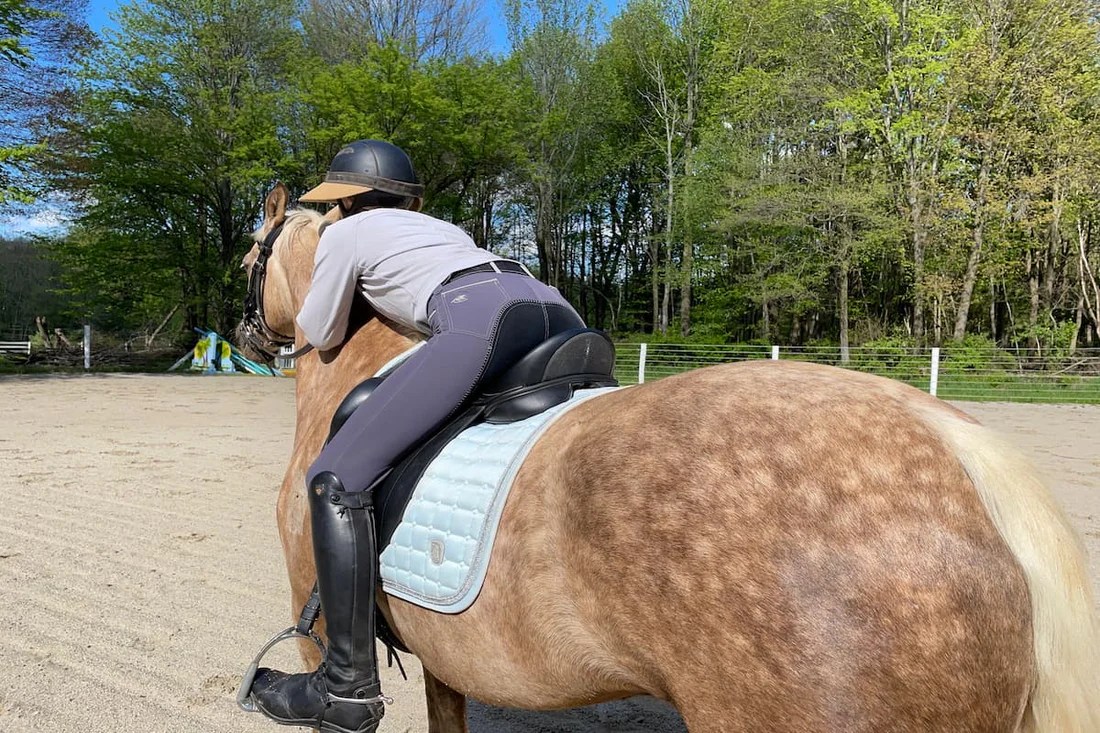
Equestrian sportswear trends are evolving rapidly, combining cutting-edge fabric technologies with stylish designs that reflect the spirit of the sport. As riders seek both performance and aesthetics, this season’s collections showcase vibrant color palettes and sustainable practices that resonate with environmentally conscious consumers. From moisture-wicking materials to thoughtfully designed footwear, the latest offerings in equestrian apparel are not just about looking good; they’re about enhancing the riding experience while adhering to modern trends.
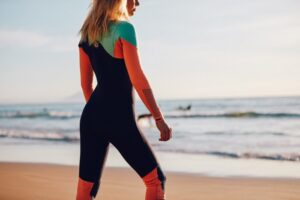
With a focus on functionality, equestrian sportswear is increasingly influenced by trends from other athletic disciplines. Fashion elements borrowed from martial arts, strength sports, and even motorsports are weaving their way into riding gear, creating a unique blend that appeals to both seasoned equestrians and newcomers alike. This dynamic interplay of style and practicality makes equestrian sportswear a fascinating subject for anyone interested in fashion and performance in the equestrian world.
Current Trends in Equestrian Sportswear
The world of equestrian sportswear is continually evolving, with a focus on performance, comfort, and style. As riders spend significant time in the saddle, the latest trends emphasize not only functionality but also aesthetic appeal. This season, there’s a notable shift towards modern fabric technologies, trendy color palettes, and a commitment to sustainable practices in equestrian fashion.
Latest Fabric Technologies
Advancements in fabric technology have significantly enhanced the performance of equestrian apparel. Innovations focus on moisture-wicking, breathability, and durability, which are crucial for riders. Some of the latest technologies include:
- Moisture-Wicking Fabrics: These fabrics are designed to pull moisture away from the skin, keeping riders dry and comfortable during long hours in the saddle. Brands are increasingly using blends of polyester and nylon that provide excellent moisture management.
- Four-Way Stretch Materials: Flexibility is key in equestrian sportswear. New four-way stretch fabrics allow for a full range of motion while maintaining shape and structure, essential for both comfort and performance.
- UV Protection: As outdoor activities increase, so does the need for sun safety. Equestrian apparel now often includes UV protective properties, shielding riders from harmful rays while they ride.
- Antimicrobial Treatments: To combat odor and bacteria, many brands are incorporating antimicrobial treatments into their fabrics, ensuring that clothes remain fresh even after prolonged use.
Trending Color Palettes
Color plays a vital role in the appeal of equestrian sportswear, and this season’s trends reflect a blend of classic and contemporary hues. The current color palettes lean towards:
- Earthy Tones: Shades like olive green, rust, and terracotta are gaining popularity, reflecting a connection to nature and the outdoor experience.
- Pastel Shades: Soft colors such as lavender, blush pink, and baby blue are trending, providing a refreshing and sophisticated touch to riding gear.
- Bold Accents: Bright pops of color, such as neon orange or electric blue, are used as accents on jackets or accessories, adding a modern flair to traditional equestrian styles.
- Monochrome Looks: All-black or all-white outfits are increasingly fashionable, offering a sleek and timeless appearance that is both practical and stylish.
Integration of Sustainable Practices
Sustainability is becoming a central theme in the fashion industry, and equestrian apparel is no exception. Many brands are taking significant steps towards eco-friendly practices, which include:
- Recycled Materials: Numerous companies are now utilizing recycled polyester and other sustainable materials to create their sportswear, reducing environmental impact.
- Ethical Production: There is a growing focus on ethical production methods, ensuring fair labor practices and environmentally responsible manufacturing processes.
- Durability and Longevity: Emphasizing the quality and durability of products reduces the necessity for frequent replacements, aligning with sustainable consumption practices.
- Eco-Friendly Packaging: Brands are increasingly adopting eco-friendly packaging solutions, minimizing waste and promoting a greener approach to product delivery.
The integration of sustainability in fashion is not just a trend; it’s a responsibility that the equestrian community is embracing wholeheartedly.
Key Features of Equestrian Sportswear
Equestrian sportswear is designed with specific features that enhance performance, safety, and comfort in the saddle. Understanding these key elements can improve the overall riding experience and ensure that both horse and rider can perform at their best. The right clothing can significantly affect mobility, protection, and durability during riding sessions.
Essential Features of Equestrian Jackets
Equestrian jackets play a crucial role in maintaining a rider’s performance, especially in varying weather conditions. A well-designed jacket offers not only style but also functional attributes such as breathability, flexibility, and insulation. Key features include:
- Water Resistance: Jackets made with water-resistant materials help keep riders dry during unexpected rain, ensuring comfort and focus while riding.
- Breathability: Jackets with mesh panels or ventilation systems promote airflow, preventing overheating during intense workouts or warm weather.
- Stretch Fabric: Fabrics that stretch facilitate a full range of motion, essential for riding dynamics and effective communication with the horse.
- Reinforced Seams: Strong seams increase the jacket’s durability, allowing it to withstand the rigors of riding and training.
Significance of Footwear for Rider Safety and Comfort
Footwear is a critical aspect of equestrian sportswear that directly impacts rider safety and comfort. Appropriate riding boots provide essential support and protection. Important features of equestrian footwear include:
- Stirrup Compatibility: The design of riding boots must accommodate stirrups to prevent slipping, which can lead to accidents.
- Non-Slip Soles: A good grip on the sole helps riders maintain stability while mounting or dismounting, enhancing overall safety.
- Comfort Fit: Proper cushioning and fit reduce fatigue during long rides, allowing for greater focus and control.
- Durable Materials: High-quality leather or synthetic materials ensure longevity and resistance to wear and tear from riding activities.
Benefits of Moisture-Wicking Materials in Equestrian Clothing
Moisture-wicking materials are essential in equestrian clothing, playing a vital role in rider comfort and performance. These fabrics draw sweat away from the skin, keeping the body cool and dry. The advantages of moisture-wicking fabrics include:
- Temperature Regulation: By managing moisture, these materials help regulate body temperature, crucial during physically demanding rides.
- Reduced Chafing: Moisture-wicking materials minimize skin irritation, allowing riders to focus on performance without distraction.
- Quick Drying: Fast-drying properties are beneficial for wet conditions, providing comfort and reducing the risk of catching a chill.
- Odor Control: Many moisture-wicking fabrics include antimicrobial properties, helping to keep equestrian wear fresh even after prolonged use.
Equestrian Sportswear Influences from Other Sports
The evolution of equestrian sportswear has been significantly shaped by the design and functionality trends emerging from various athletic disciplines. While equestrianism has its own unique requirements, the cross-pollination of ideas from other sports has played a crucial role in enhancing performance, comfort, and style in riding apparel. This blending of influences not only caters to the practical needs of riders but also embraces modern aesthetics that resonate with today’s fashion sensibilities.One of the most notable influences on equestrian sportswear comes from martial arts and strength sports, which prioritize flexibility, durability, and functional design.
The cut and fit of martial arts uniforms, for example, often emphasize freedom of movement and durability, two essential traits for riders who must maneuver dynamically while on horseback. The incorporation of reinforced stitching, stretchable fabrics, and ergonomic designs seen in martial arts gear has inspired equestrian brands to create riding wear that allows for an unimpeded range of motion.
Inspiration from Martial Arts and Strength Sports
The influence of martial arts and strength sports extends beyond mere aesthetics; it is rooted in the practical needs of athletes. Here are some key aspects where these sports have impacted equestrian apparel:
- Flexible Fabrics: Materials that stretch and breathe are essential in both martial arts and equestrian sports. The use of lightweight, moisture-wicking fabrics enhances comfort during long hours of riding.
- Reinforced Design: Similar to martial arts uniforms, equestrian wear incorporates reinforced seams and robust stitching to withstand the rigors of riding.
- Layering Techniques: The layering methods used in strength training apparel have been adopted in equestrian fashion to provide warmth without bulk, allowing for comfort in varying weather conditions.
The influence of motorsports can also be observed in equestrian sportswear, particularly in the integration of high-tech materials and design principles aimed at performance. Motorsports gear emphasizes safety and aerodynamic efficiency, and these elements have made their way into equestrian apparel.
Elements Borrowed from Motorsports Styles
Incorporating elements from motorsports has led to innovative designs in equestrian sportswear, making it both functional and stylish. Key aspects include:
- Aerodynamic Cuts: Inspired by the sleek cuts of racing suits, equestrian apparel now features streamlined silhouettes that enhance movement and reduce drag.
- Color Blocking: Bold color combinations and graphic designs prevalent in motorsports have been adopted to create eye-catching riding outfits that reflect a rider’s personality.
- Protective Gear: The use of protective padding in motorsport clothing has influenced the development of safety vests and body protectors in equestrian wear, emphasizing rider safety without compromising mobility.
End of Discussion
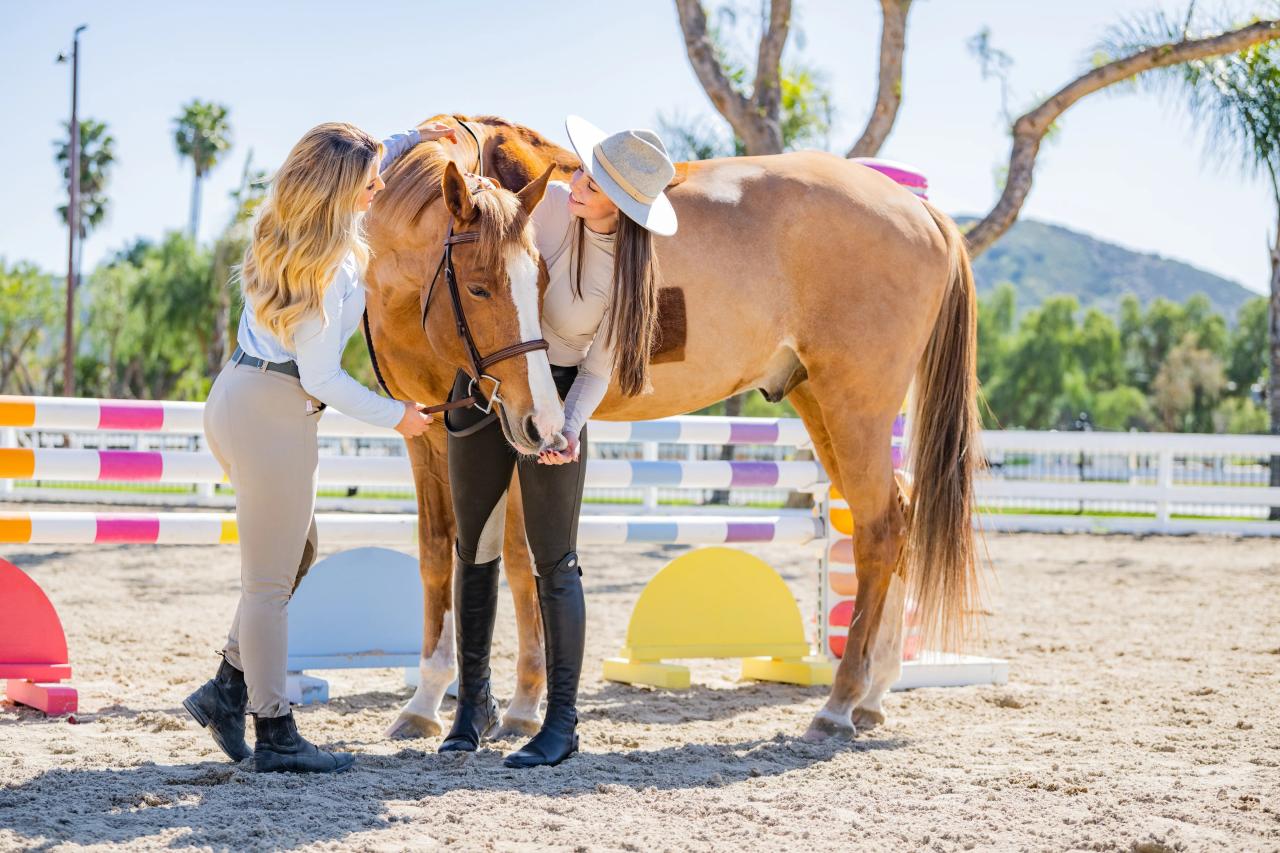
In conclusion, the landscape of equestrian sportswear is rich with innovation and style, as it embraces modern trends while staying true to the needs of riders. The integration of advanced fabrics, striking colors, and sustainable practices positions this niche fashion as not only a practical choice but also a statement of personal style. As we continue to observe these trends, it’s clear that equestrian sportswear will keep evolving, reflecting the diverse influences that shape our athletic and fashion worlds.
Q&A
What are the benefits of moisture-wicking materials?
Moisture-wicking materials help keep the rider dry and comfortable by drawing sweat away from the body, enhancing performance during riding.
How important is footwear in equestrian sportswear?
Footwear is essential for rider safety and comfort, providing the necessary grip and support for effective riding.
What sustainable practices are being integrated into equestrian fashion?
Brands are increasingly using eco-friendly materials and processes, focusing on reducing waste and promoting ethical production methods.
How do other sports influence equestrian apparel?
Design elements from sports like martial arts and motorsports are being incorporated into equestrian wear, blending functionality with contemporary styles.
What color palettes are trending in equestrian sportswear this season?
Current trends feature earthy tones, vibrant hues, and classic neutrals, allowing riders to express their individual style while remaining functional.