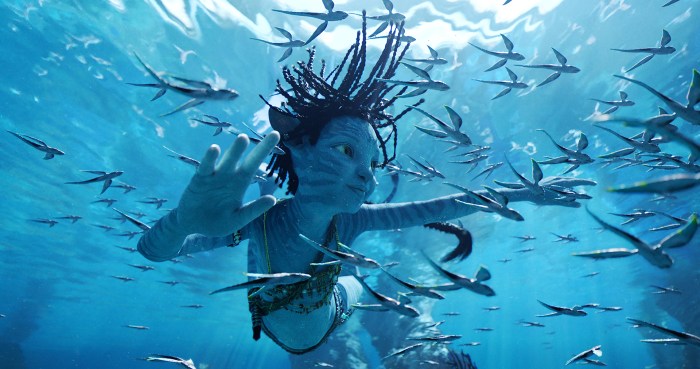
Underwater photography tips offer a glimpse into a mesmerizing world beneath the waves, where vibrant marine life and stunning landscapes await. With the right techniques and gear, capturing the beauty of underwater ecosystems becomes an exhilarating experience. This guide will walk you through essential equipment, lighting adjustments, and techniques to help you take breathtaking underwater photos.
From understanding the differences between shooting in freshwater and saltwater to mastering buoyancy and movement, these tips will enhance your skills and appreciation for underwater environments. Get ready to dive into a world of creativity and exploration as we uncover the secrets of successful underwater photography.
Underwater Photography Basics
Underwater photography opens up a vibrant world beneath the surface, capturing stunning marine life and landscapes. To get started, it’s essential to understand the fundamental gear you’ll need, the significance of lighting in these unique environments, and how different water types affect your shooting conditions.
Essential Gear for Underwater Photography
The right equipment is crucial for successful underwater photography. Essential gear includes a suitable camera, housing, and lighting equipment. Here are the key components you’ll need:
- Camera: A DSLR or mirrorless camera is ideal due to its versatility and image quality. Compact cameras can also work well, especially those rated for underwater use.
- Underwater Housing: Protects your camera from water damage. Ensure it’s rated for the depths you’ll be exploring and has access to controls for switching settings.
- Strobes and Lighting: Natural light diminishes quickly underwater. Strobes or video lights can help illuminate subjects and vibrant colors.
- Lens Options: Wide-angle lenses are great for capturing expansive seascapes, while macro lenses are essential for detailed shots of small marine life.
- Buoyancy Equipment: Using floats and weights can help maintain camera stability and control in the water.
Importance of Lighting in Underwater Photography
Lighting is crucial in underwater photography due to the absorption of colors by water. As depth increases, certain wavelengths of light fade, resulting in less vibrant imagery. Proper lighting techniques can significantly enhance your photographs.To adjust settings for underwater environments, consider the following tips:
- White Balance: Adjust your white balance to compensate for the blue-green tint of water. Use custom settings or underwater modes available on many cameras.
- ISO Settings: A higher ISO can help in low-light conditions, but be cautious of graininess. Start around ISO 400 and adjust as needed.
- Shutter Speed: Use faster shutter speeds to freeze motion, especially when photographing active marine life.
- Aperture: A wider aperture (like f/8 or lower) allows more light to enter, which is beneficial for low-light conditions underwater.
Differences Between Freshwater and Saltwater Shooting
Although both freshwater and saltwater offer unique photographic opportunities, there are differences in shooting conditions that can affect your photos.In freshwater, visibility is often better, and colors may appear more vibrant due to lower particle content. Conversely, saltwater environments can introduce challenges such as higher levels of salinity, which may affect buoyancy and gear functioning.When photographing in saltwater, be aware of:
- Coral Reefs: These ecosystems provide a diverse range of subjects but require careful navigation to avoid damaging delicate corals.
- Current Conditions: Saltwater locations can have stronger currents that may affect stability. Use weighted gear to stay grounded.
- Marine Life Behavior: Different species may be more prevalent in saltwater, impacting how and when you plan your shoots.
“Understanding the environment, adjusting for light loss, and knowing your gear can transform your underwater photography experience.”
Techniques for Capturing Stunning Underwater Images
Capturing stunning underwater images requires a blend of skill, knowledge, and the right tools. Understanding the techniques involved can elevate your photography from basic snapshots to breathtaking visuals. This section delves into essential methods for achieving clarity and color accuracy, the advantages of different lenses, and the importance of buoyancy management while shooting underwater.
Achieving Clarity and Color Accuracy
Underwater photography presents unique challenges, particularly in maintaining clarity and color. The water absorbs light, and hues can easily appear washed out without proper techniques. Here are several strategies to enhance clarity and vibrancy in your underwater images:
- Use Natural Light: Shoot during the daytime and aim for shallow depths where sunlight can penetrate easily. Early morning or late afternoon offers softer, more diffused light.
- White Balance Adjustment: Utilize your camera’s custom white balance setting to counteract the blue and green tones prevalent in underwater environments. This technique can help restore the true colors of your subjects.
- Post-Processing Techniques: Editing software can enhance colors significantly. Adjusting saturation and contrast in post-processing can bring your images to life.
“The key to underwater photography is to light your subject beautifully while minimizing the depth of water above it.”
Wide-Angle versus Macro Lenses
Choosing the right lens can significantly impact the outcome of your underwater images. Wide-angle lenses are designed for capturing expansive scenes, while macro lenses focus on small subjects, each serving different photographic purposes.
- Wide-Angle Lenses: Ideal for capturing large marine scenes, these lenses allow you to include expansive backgrounds and subjects. They are particularly effective in large underwater environments such as coral reefs where you want to show the habitat.
- Macro Lenses: Perfect for capturing intricate details of smaller subjects, such as tiny fish or coral textures. Macro lenses allow for extreme close-ups, revealing colors and patterns often overlooked.
- Versatility: Consider bringing both types of lenses on your dive to adapt to varying conditions and subjects. This flexibility allows for a diverse portfolio of underwater photography.
Managing Buoyancy and Movement
Buoyancy control and movement are crucial for capturing sharp images and avoiding unwanted disturbances in the water. Effective management of these factors ensures a better photographic experience.
- Practice Neutral Buoyancy: Achieving neutral buoyancy allows you to hover effortlessly in the water, reducing the chance of disturbing marine life or stirring up sediment.
- Slow Movements: Move slowly and deliberately to avoid sudden changes in position that can lead to blurred images or disrupt the environment.
- Use Fins Wisely: Employ efficient fin kicks to navigate through water without creating excessive turbulence, which can cloud your shots or scare away subjects.
Legal and Environmental Considerations
When engaging in underwater photography, it is crucial to be aware of the various legal and environmental considerations that come into play. These factors not only shape how photographers operate but also have a significant impact on marine ecosystems. Understanding laws and ethical guidelines can help photographers navigate their responsibilities towards marine life and the environment.
Laws and Regulations Affecting Underwater Photography
Different regions have specific laws and regulations governing underwater photography. These laws often relate to marine conservation, wildlife protection, and access to underwater sites. Here are some key points to consider:
- Protected Areas: Many countries have designated marine protected areas (MPAs) where photography and other activities may be restricted to protect sensitive habitats. Check local regulations before diving into these zones.
- Permits: Some locations require permits for underwater photography, especially in national parks or reserves, to monitor and manage human impact. Research and obtain necessary permissions in advance.
- Wildlife Protection Laws: There are strict laws against disturbing or harassing marine life, particularly around endangered species. Familiarize yourself with local wildlife protection laws to avoid legal repercussions.
Ethical Considerations When Photographing Marine Life
Photographers must approach underwater photography with a sense of responsibility towards marine life and their habitats. Ethical photography practices are essential for minimizing harm and ensuring the well-being of marine ecosystems.
- Minimize Disturbance: Always strive to avoid causing stress or harm to marine life. Maintain a respectful distance from animals and avoid actions that might scare them away.
- Leave No Trace: Follow the principle of leaving the environment as you found it. Do not touch, collect, or disturb marine organisms or habitats during your dives.
- Educate Others: Use your photography to raise awareness about marine conservation. Sharing your images and the stories behind them can help inspire others to protect the ocean.
Impact of Underwater Photography on Marine Conservation Efforts
Underwater photography can play a crucial role in marine conservation by documenting ecosystems and highlighting the beauty of marine life. These efforts can lead to increased awareness and support for conservation initiatives.
- Awareness and Advocacy: Stunning underwater images can capture public attention and foster a deeper appreciation for marine environments, motivating individuals and communities to engage in conservation efforts.
- Scientific Research: Photographs can serve as valuable data for researchers studying marine ecosystems, helping to track changes in biodiversity and habitat health over time.
- Fundraising and Support: Many organizations use underwater photography in campaigns to raise funds for conservation projects. Compelling visuals can effectively convey the urgency and importance of marine protection.
“Through photography, we can open our eyes to the beauty of our oceans and the importance of protecting them.”
Outcome Summary
In conclusion, diving into underwater photography opens up a realm of possibilities for both enthusiasts and professionals alike. By utilizing the right gear, understanding the environment, and adhering to ethical practices, you can capture stunning images that tell a story of the underwater world. As you embark on this photographic journey, remember that every click of the shutter brings you closer to preserving the beauty of our oceans and their inhabitants.
FAQ Guide
What type of camera is best for underwater photography?
<pA waterproof compact camera or a DSLR with a waterproof housing is ideal for underwater photography, allowing for excellent image quality and versatility.
How can I improve color accuracy in underwater photos?
Using a red filter or adjusting your white balance settings can significantly enhance color accuracy by compensating for the loss of warmer tones underwater.
Is it necessary to use lights for underwater photography?
Yes, underwater lighting is crucial as it helps to bring out colors and details that are often lost due to the absorption of light by water.
Can I take photos without a dive certification?
While a dive certification is not mandatory, having basic knowledge of diving and safety practices is highly recommended for underwater photography.
What are some tips for managing buoyancy underwater?
Practicing controlled breathing, using a buoyancy control device, and adjusting your weights can help you manage buoyancy for better stability when shooting.