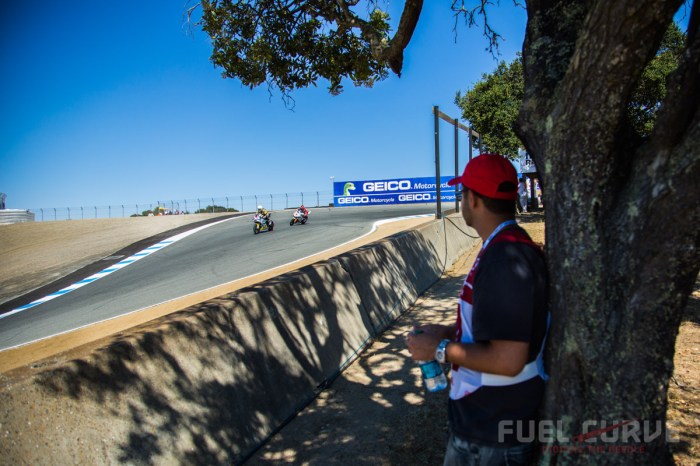
Superbike World Championship is where speed, skill, and strategy intersect, creating a captivating spectacle for motorsport enthusiasts. With its rich history and evolution, this championship has seen legendary teams and riders battle it out on the racetrack, showcasing their talent and determination.
From its inception to becoming a global phenomenon, the Superbike World Championship has not only defined motorcycle racing but has also carved a significant niche in the broader motorsports landscape. The intensity of competition, combined with the unique regulations that differentiate it from other events like MotoGP, adds layers of excitement and intrigue for fans and participants alike.
Overview of the Superbike World Championship
The Superbike World Championship (WSBK) is a premier motorcycle racing series that has captivated motorsport enthusiasts since its inception. Launched in 1988, the championship showcases production-based motorcycles, allowing riders and teams to compete on a global scale. Over the years, WSBK has evolved significantly, gaining popularity and prestige within the motorsports community, alongside its more established counterpart, MotoGP.The evolution of the Superbike World Championship reflects both technological advancements and shifts in racing regulations.
From its early days, where private teams dominated, to the present, where factory-supported teams play a crucial role, the championship has seen various phases of competition. Key teams and manufacturers such as Ducati, Kawasaki, and Yamaha have shaped its landscape, producing legendary machines and cultivating fierce rivalries that enhance the excitement of the races.
Historical Development of the Championship
The history of the Superbike World Championship reveals a rich tapestry of competition and innovation. Initially conceived as a series that allowed production motorcycles to race, the championship encouraged manufacturers to develop high-performance bikes. The first official race was held at Donington Park in the UK, marking the beginning of a new era in motorcycle racing.Throughout the years, the series has introduced several notable changes to its format and regulations.
These include:
- The introduction of the Superpole format in 2004, which added a new layer of excitement by allowing riders to compete for the best starting positions in a timed shootout.
- The adoption of the World Superbike regulations in 2015 aimed at creating a more competitive environment by balancing the performance of different manufacturers.
- The expansion of races to various international circuits, which has helped grow the championship’s fan base across continents.
Influential Teams and Riders
The significance of the Superbike World Championship is largely attributed to its iconic teams and riders who have left an indelible mark on the sport. Teams like Ducati, with its rich racing heritage, have consistently pushed the boundaries of motorcycle performance. Other notable teams include:
- Kawasaki Racing Team: Known for their dominance in recent years with riders like Jonathan Rea, who has set numerous records.
- Yamaha Factory Racing: Consistently competitive, they have produced several championship-winning riders, enhancing the brand’s reputation in the racing world.
- BMW Motorrad WorldSBK Team: A newer but formidable competitor, they have quickly established themselves as a strong presence in the championship.
The championship has also been graced by legendary riders who have become household names. Notable figures include:
- Carl Fogarty: A four-time champion, his charisma and racing skill brought significant attention to the series.
- Colin Edwards: Known for his versatility, he made a mark in both WSBK and MotoGP.
- Jonathan Rea: The dominant force of recent years, Rea’s prowess has redefined expectations in the sport.
Significance in Motorsports
The Superbike World Championship holds a vital place in the motorsports arena, bridging the gap between professional racing and motorcycle enthusiasts. It not only serves as a testing ground for manufacturers to showcase their latest technology but also fosters a passionate community of fans worldwide. The championship promotes the development of production motorcycles, influencing consumer choices and encouraging innovation in the industry.Moreover, the series garners extensive media coverage, contributing to its global appeal.
Events are broadcasted internationally, allowing fans to engage with their favorite riders and teams, creating a sense of belonging within the motorsport community. The thrilling competition, combined with the emotional stories of the riders and teams, elevates the Superbike World Championship to a significant cultural event in the realm of motorsports.
Rules and Regulations in the Superbike World Championship
The Superbike World Championship (WSBK) operates under a comprehensive set of rules and regulations that ensure fair competition and safety for all participants. These regulations are essential for maintaining the integrity of the sport, providing guidelines for bike specifications, race procedures, and team conduct. Understanding these rules is crucial for fans and competitors alike, as they shape every aspect of the championship.
The Superbike World Championship rules primarily focus on the technical specifications of the motorcycles, rider safety, and race conduct. Here are some key aspects of the regulations that govern the championship:
Technical Specifications and Compliance
The technical regulations in WSBK are designed to ensure competitive parity while allowing manufacturers to showcase their engineering prowess. The main rules include:
- Motorcycle Specifications: Superbike machines must be derived from production models, with modifications allowed but within strict limits. Each bike must maintain a minimum weight and adhere to specific engine displacement categories.
- Tire Regulations: Teams are restricted to using tires supplied by a single manufacturer for the entire season. This enhances competition by minimizing performance differences related to tire selection.
- Electronics and Technology Use: While advanced electronics are permitted, teams must follow guidelines on traction control, anti-wheelie, and other electronic aids to maintain a level playing field.
Differences from MotoGP and Other Racing Events
The regulations in the Superbike World Championship differ significantly from those in MotoGP and other motorcycle racing events. The primary distinctions include:
- Production Bike Basis: Unlike MotoGP, which features prototype machines, WSBK bikes are based on commercially available models, allowing privateer teams to compete more effectively.
- Cost Management: WSBK aims to keep costs lower for teams compared to MotoGP. This includes limits on engine development and fewer restrictions on components, which helps maintain the balance between competitive performance and budget constraints.
- Race Format: The Superbike World Championship typically features a two-race format on race weekends, while MotoGP events may include different qualifying sessions and race strategies.
Impact of Legal Issues on Governance
Legal issues play a crucial role in the governance of the Superbike World Championship. Factors such as copyright disputes, trademark regulations, and compliance with international sporting regulations can significantly affect how the championship operates. Key impacts include:
- Regulatory Compliance: The championship must align with regulations from the Fédération Internationale de Motocyclisme (FIM) and other governing bodies. Non-compliance can lead to penalties or exclusions.
- Intellectual Property Rights: Legal battles over brand rights can impact sponsorship deals and team identities, influencing the financial landscape of the championship.
- Safety Regulations: Legal considerations around rider safety have led to stringent requirements for protective gear and motorcycle safety features, shaping the overall competitive environment.
Related Sports and Their Impact on Superbike World Championship
The Superbike World Championship, while unique in its own right, draws significant influences from various other motorsports and disciplines. Understanding these relationships helps illuminate how competitive racing operates on multiple levels and the cross-disciplinary techniques that enhance performance. This section explores comparisons with other motorsports, the influence of martial arts on racing techniques, and the importance of teamwork in racing strategies.
Comparison with Other Motorsports
The Superbike World Championship is often compared to other prestigious motorsports, such as Formula 1 and MotoGP. Each of these sports shares a common foundation in speed and precision, yet they diverge in several key aspects:
- Vehicle Design: Superbikes are built for performance on public roads and racetracks, combining elements from road-going motorcycles and racing enhancements. In contrast, Formula 1 cars are purpose-built for the track with advanced aerodynamics and hybrid technology, focusing on downforce and speed. MotoGP bikes are more similar to superbikes but are designed for maximum agility and control at high speeds.
- Race Format: The Superbike World Championship features a series of races over the course of a season, emphasizing endurance and consistency. Formula 1 races are meticulously timed and can involve strategy around pit stops and tire management. MotoGP races are shorter but demand a high level of skill in maneuvering through tight corners and high-speed straights.
- Track Characteristics: Superbike races often take place on a mix of permanent racetracks and street circuits, offering varied surface conditions. In contrast, Formula 1 races are typically held on purpose-built tracks designed for optimal performance, while MotoGP focuses on tracks that emphasize rider skill and bike handling.
Influence of Martial Arts Training
Martial arts training has become increasingly relevant in the realm of motorcycle racing, particularly in enhancing riders’ physical conditioning and mental focus. The integration of martial arts techniques into training regimens aids racers in several critical aspects:
- Core Strength and Balance: Many martial arts disciplines focus on developing core strength and balance, which are essential for maintaining stability on a motorcycle during high-speed maneuvers. Techniques such as stance training in martial arts can translate directly to improved riding posture.
- Reflexes and Coordination: Martial arts training emphasizes quick reflexes and hand-eye coordination, allowing riders to react swiftly to changes in their environment, whether it’s a competitor’s movements or an unexpected obstacle on the track.
- Mental Discipline: The psychological aspects of martial arts, including focus, discipline, and the ability to stay calm under pressure, are crucial for racers who must maintain concentration throughout long races while managing stress and fatigue.
Teamwork and Strategies in Racing
The Superbike World Championship, while highlighting individual talent, is heavily reliant on the dynamics of teamwork. The interplay between riders, crew members, and strategists plays a vital role in achieving success in races.
- Communication: Clear communication between the rider and the pit crew is essential for making real-time strategic decisions, such as adjusting tire pressure or modifying race strategies based on track conditions.
- Data Analysis: Teams utilize data from previous races and telemetry from the bikes to devise strategies that maximize performance. Insights gleaned from data can inform decisions regarding fuel management and tire wear.
- Support Roles: Each team member has a specific role, from mechanics to strategists, which collectively contributes to the success of the rider. This collaboration is akin to team sports, where each player must work cohesively towards a common goal.
Closure

In conclusion, the Superbike World Championship stands as a testament to the spirit of competition and innovation in motorsports. As teams and riders continue to push the boundaries of what’s possible, this championship promises to deliver unforgettable moments and thrilling races for years to come.
FAQ Section
What is the history of the Superbike World Championship?
The Superbike World Championship began in 1988 and has evolved significantly over the years, becoming a premier motorcycle racing series.
How does Superbike racing differ from MotoGP?
Superbike racing focuses on modified production bikes, while MotoGP features prototype motorcycles specifically designed for racing.
Who are some of the most famous riders in Superbike history?
Legendary riders include Carl Fogarty, Troy Bayliss, and Jonathan Rea, each leaving a significant mark on the championship.
What role do teams play in the Superbike World Championship?
Teams are crucial in providing support, strategy, and mechanical expertise, working collaboratively to enhance rider performance.
Are there any major controversies in the championship’s history?
Yes, various legal and regulatory issues have occasionally impacted the championship’s governance and the fairness of competition.