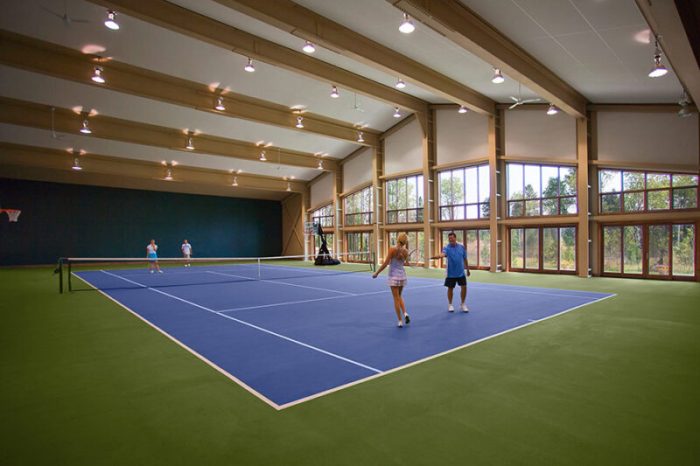
Indoor tennis facilities have revolutionized the way players engage with the sport, providing a consistent and controlled environment for year-round play regardless of weather conditions. These facilities not only extend the playing season but also offer a platform for enhanced training and player development, making tennis accessible to enthusiasts at all levels.
Modern indoor tennis courts come equipped with a variety of surfaces tailored to cater to different playing styles, and they often include amenities such as spectator seating, lounges, and pro shops that elevate the overall experience for players and fans alike.
Importance of Indoor Tennis Facilities
Indoor tennis facilities play a crucial role in promoting the sport throughout the year. They provide players with a controlled environment that is shielded from weather-related disruptions such as rain, snow, or extreme heat. This accessibility allows enthusiasts of all skill levels to maintain their training regimens and participate in matches consistently, fostering a deeper engagement with the sport.The benefits of indoor tennis facilities are particularly significant for player development and training.
These venues often feature advanced technology and coaching resources that enhance skill acquisition and performance. Players can practice drills and participate in structured training sessions without the constraints imposed by outdoor conditions. Furthermore, many indoor facilities offer specialized programs that cater to various age groups and skill levels, ensuring that everyone has the opportunity to improve and grow within the sport.
Successful Examples of Indoor Tennis Facilities
The impact of indoor tennis facilities can be seen in various communities around the world, where they have transformed access to the sport and encouraged participation. For instance, the USTA Billie Jean King National Tennis Center in New York not only hosts the US Open but also includes indoor courts available year-round, making it a hub for training and development.
Similarly, the Racquet Club of Philadelphia has been pivotal in providing high-quality indoor courts and a vibrant tennis community. The following examples highlight the positive effects of these facilities:
- USTA Billie Jean King National Tennis Center: This facility allows for year-round play, offering programs for players of all ages and skill levels, thus enhancing local participation and fostering a love for the sport.
- Racquet Club of Philadelphia: Known for its rich history, this club has established numerous training programs and events, significantly contributing to the local tennis culture and encouraging youth involvement.
- Tennis Canada National Training Center: Located in Toronto, this facility provides access to professional coaching and state-of-the-art training equipment, which helps in developing top-level athletes.
These facilities not only enhance the skills of individual players but also cultivate a sense of community around the sport, leading to increased participation and support for tennis at all levels.
Design and Features of Indoor Tennis Facilities

Indoor tennis facilities have evolved significantly, incorporating advanced design elements that enhance functionality and provide a superior experience for players and spectators alike. These modern facilities are not just about the courts themselves; they are holistic environments that cater to the various needs of users. Well-planned indoor tennis spaces can elevate the quality of play, extend the playing season, and offer comfort and convenience.The essential design elements of modern indoor tennis courts focus on maximizing space, ensuring proper ventilation, and utilizing the latest technology to create an optimal playing environment.
High ceilings are crucial, allowing for a free flow of air and minimizing the risk of interference during play. Moreover, the use of large windows or skylights can enhance natural lighting, creating a more inviting atmosphere while also reducing energy costs.
Types of Surfaces Used in Indoor Tennis Facilities
The choice of surface plays a significant role in the overall performance and experience of players. Indoor tennis facilities commonly feature a variety of surfaces, each offering unique characteristics and benefits.Several surface types are used in indoor tennis facilities, and understanding these can help players choose their preferred environment. Below is a list of the most prevalent surface types:
- Hard Court: Often made from acrylic or polymer materials, hard courts provide a consistent playing surface that allows for excellent ball bounce and predictable play. They are low-maintenance and suitable for both recreational and competitive levels.
- Clay Court: Though less common indoors, clay courts are made of crushed stone or brick and offer a slower game with high ball bounce. They are easier on the joints and are excellent for players looking to develop their skills, particularly in sliding and strategic play.
- Carpet Court: These are synthetic surfaces that provide a soft, cushioning effect. Carpet courts are often portable, making them ideal for temporary setups and events. They offer a fast playing experience and are popular for recreational play.
- Turf Court: Typically used for indoor facilities that accommodate multiple sports, turf courts provide good traction and comfort. They can vary in pile height and material, influencing play characteristics.
Amenities That Enhance the Experience
To truly enhance the indoor tennis experience, facilities often include a variety of amenities that cater to both players and spectators. These features contribute to the overall enjoyment and convenience of visiting the complex.The following list Artikels key amenities commonly found in indoor tennis facilities:
- Locker Rooms: Well-equipped locker rooms with showers and changing areas ensure players can prepare before and after games comfortably.
- Pro Shops: On-site pro shops provide essential gear, equipment, and apparel, making it convenient for players to purchase what they need before stepping onto the court.
- Cafeterias or Snack Bars: Refreshments and light meals can be found at these facilities, allowing players and spectators to relax and refuel without leaving the premises.
- Viewing Areas: Comfortable seating for spectators enhances the viewing experience, allowing friends and family to enjoy the games in a welcoming environment.
- Fitness and Training Facilities: Many modern indoor tennis centers include gyms and training areas for players to improve their fitness and conditioning.
- Lighting Systems: Advanced lighting systems are crucial for visibility, ensuring that courts are well-lit for play, regardless of the time of day.
“The design of an indoor tennis facility plays a pivotal role in promoting performance, comfort, and enjoyment for all.”
Legal and Regulatory Issues Affecting Indoor Tennis Facilities
Indoor tennis facilities, while offering great opportunities for athletes of all levels, are also subject to a variety of legal and regulatory challenges. These issues can significantly impact not only the design and operation of the facility but also the overall safety and experience of its users. Understanding the legal landscape is crucial for facility owners to mitigate risks and ensure compliance with applicable laws.
Common Legal Challenges Faced by Indoor Tennis Facility Owners
Indoor tennis facility owners must navigate several legal challenges that could affect their operations. These challenges often include:
- Liability Issues: Owners can be held liable for injuries sustained on their property, making it essential to have appropriate liability insurance and risk management protocols.
- Contractual Obligations: Agreements with vendors, sponsors, and tenants must be carefully crafted to avoid disputes and ensure clarity in responsibilities.
- Employee Relations: Compliance with employment laws, including worker’s rights and safety regulations, is critical to avoid legal repercussions.
Safety Regulations in Indoor Sports Environments
In an indoor sports environment, adhering to safety regulations is paramount. These regulations are designed to protect both athletes and spectators from potential hazards. Some key safety regulations include:
- Building Codes: Facilities must comply with local and national building codes to ensure structural integrity and safety.
- Fire Safety Regulations: Fire codes dictate the installation of fire alarms, sprinklers, and exit routes, which are vital for safe evacuations.
- Health and Sanitation Standards: Indoor facilities must maintain high standards of cleanliness, particularly in locker rooms and common areas, to prevent health risks.
Zoning Laws Affecting Construction of Indoor Tennis Facilities
Zoning laws can significantly influence the construction and operation of indoor tennis facilities. These laws dictate how land can be used and can affect everything from the facility’s location to its design. Key aspects include:
- Land Use Regulations: Local zoning ordinances may restrict the construction of sports facilities in certain areas or require special permits for their operation.
- Environmental Regulations: Facilities must comply with environmental assessments that consider potential impacts on the surrounding community.
- Parking and Accessibility Requirements: Zoning laws often include stipulations for adequate parking spaces and accessibility for individuals with disabilities.
Wrap-Up
In conclusion, the significance of indoor tennis facilities extends beyond mere convenience; they play a crucial role in fostering community engagement, nurturing talent, and ensuring that tennis remains a vibrant sport throughout the year. As we continue to see advancements in design and amenities, the future of indoor tennis looks promising, inviting more players to join the game.
FAQ
What are the benefits of indoor tennis facilities?
They provide consistent playing conditions year-round, protect players from weather interruptions, and enhance training opportunities.
What types of surfaces are commonly used in indoor tennis facilities?
Common surfaces include hard courts, clay, and carpet, each offering different playing characteristics.
How do indoor facilities support player development?
They allow for controlled training environments, enabling focused skill development and consistent practice schedules.
Are there common legal issues faced by facility owners?
Facility owners often face challenges related to zoning laws, liability issues, and adherence to safety regulations.
What amenities can enhance the experience at indoor tennis facilities?
Amenities like fitness centers, locker rooms, and cafes can significantly improve player and spectator experiences.