Beginning with Kayaking adventure trips, the narrative unfolds in a compelling and distinctive manner, drawing readers into a story that promises to be both engaging and uniquely memorable.
These trips offer a diverse range of experiences, from tranquil sea kayaking along picturesque coastlines to exhilarating white-water adventures down roaring rapids. Enthusiasts can explore stunning destinations worldwide, immersing themselves in nature while enjoying the thrill of paddling through various landscapes.
Kayaking Adventure Trips Overview
Kayaking adventure trips are exhilarating outdoor experiences that combine the thrill of paddling with the chance to explore stunning water landscapes. These trips can be tailored to suit adventurers of all skill levels, from beginners looking to enjoy a serene paddle to experienced kayakers seeking adrenaline-pumping white-water challenges. Kayaking trips also offer opportunities for wildlife viewing, cultural experiences, and the chance to connect with nature in a unique way.There are several types of kayaking trips available, each providing distinct experiences based on the water conditions and the environment.
Whether you prefer the calmness of lakes, the rhythmic ebb and flow of rivers, or the dynamic challenges of ocean waves, there’s a kayaking adventure waiting for you.
Types of Kayaking Trips
Exploring different types of kayaking trips highlights the varied experiences that each type can offer. Below are the primary categories of kayaking that enthusiasts can choose from:
- Sea Kayaking: This type involves paddling in coastal waters and is perfect for exploring bays, inlets, and islands. Sea kayaking often takes place in calmer waters, but can also include challenging conditions such as ocean swells and tides.
- River Kayaking: River kayaking is characterized by paddling on rivers, which can range from flatwater to rapid-filled courses. It offers sights of lush landscapes and wildlife, making it a popular choice for both leisure and adventure.
- White-Water Kayaking: For thrill-seekers, white-water kayaking navigates fast-flowing rivers filled with rapids and obstacles. This type requires skill and can provide an adrenaline rush, as kayakers must maneuver through turbulent waters.
Popular Kayaking Destinations
The world is home to numerous breathtaking kayaking destinations that draw adventurers from all over. Each location offers its own unique scenery and conditions, enhancing the kayaking experience. Here are some of the top kayaking destinations:
- Halong Bay, Vietnam: Known for its emerald waters and thousands of limestone islands, Halong Bay offers a stunning backdrop for sea kayaking amidst serene surroundings.
- The Grand Canyon, USA: Paddling down the Colorado River provides a once-in-a-lifetime view of the magnificent canyon walls and captivating rock formations.
- Bristol Bay, Alaska: Famous for its wildlife and pristine landscapes, this area allows kayakers to experience the beauty of nature while potentially spotting bears and other wildlife.
- Lake Tahoe, USA: A stunning freshwater lake that boasts crystal-clear waters, Lake Tahoe is ideal for flatwater kayaking with spectacular mountain views.
“Kayaking is not just a sport; it’s a gateway to adventure, exploration, and connecting with nature.”
Safety and Legal Considerations
When embarking on a kayaking adventure, safety should be your top priority. Kayaking can be an exhilarating experience, but it also comes with its own set of risks. Understanding essential safety precautions and being aware of relevant regulations can help ensure a safe and enjoyable trip. One of the primary components of a safe kayaking experience is preparedness. Before setting out on the water, it’s vital to be well-informed about the local conditions, including weather forecasts, water levels, and potential hazards.
Proper equipment and safety gear are also crucial to minimize risks while kayaking.
Essential Safety Precautions
Taking precautionary measures significantly enhances the safety of your kayaking experience. Here are some essential safety tips that all kayakers should adhere to:
- Wear a Personal Flotation Device (PFD): It’s important to have a properly fitted life jacket on at all times while kayaking. This is especially critical for beginners or in rough waters.
- Check Weather Conditions: Always review weather forecasts and avoid kayaking in extreme weather conditions such as thunderstorms or high winds.
- Inform Someone of Your Plans: Let someone know your kayaking route and expected return time. This is crucial in case of emergencies.
- Use a Properly Equipped Kayak: Ensure your kayak is appropriate for the water conditions and that you have safety equipment such as a whistle, a first-aid kit, and a paddle float.
- Practice Basic Skills: Before venturing into challenging waters, practice essential skills like self-rescue techniques and how to re-enter your kayak.
Regulations and Laws
Kayaking regulations can vary significantly by region, and it is crucial for participants to familiarize themselves with local laws before hitting the water. In many places, there are specific rules regarding the use of waterways, which are enforced to maintain safety and protect the environment.For instance, certain rivers and lakes may require permits for kayaking, particularly in protected areas. Additionally, some regions have designated areas where kayaking is prohibited to preserve wildlife habitats.
Kayakers should also be aware of the rules concerning alcohol consumption while on the water, as many jurisdictions have strict penalties for operating a kayak under the influence.
Liability Issues and Waivers
Participants in kayaking adventures should be cautious of liability issues that can arise during their trips. Many outfitters require participants to sign waivers, which release them from liability for injuries or accidents that occur during the activity. It’s important to read and understand these waivers fully.While waivers can limit the liability of organizers, they do not eliminate all forms of legal responsibility.
For instance, if a guide acts negligently or fails to provide adequate safety equipment, they may still be held liable for any resulting injuries. It’s advisable for participants to consider personal insurance coverage that extends to recreational activities like kayaking.
“Preparedness and awareness are key elements to a safe and enjoyable kayaking experience.”
Kayaking and Related Sports
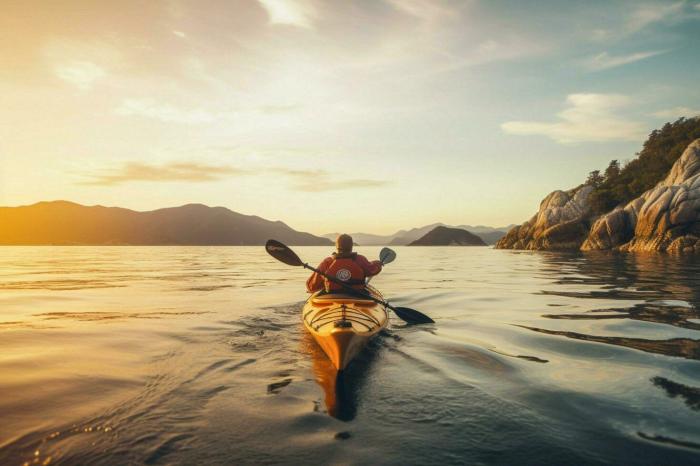
Kayaking is not just a recreational activity; it’s a dynamic sport that integrates seamlessly with various other water sports and outdoor activities. Understanding how kayaking compares to similar sports provides insight into its unique features and benefits, as well as the ways it can enhance overall athletic performance. This section delves into the similarities and differences between kayaking and related water sports, examines how kayaking complements strength and team sports, and highlights the significance of kayaking competitions in the sporting community.
Comparison of Kayaking with Other Water Sports
Kayaking shares its aquatic environment with several other water sports, each boasting unique characteristics while also exhibiting certain similarities. The following highlights key comparisons between kayaking and other popular water sports such as canoeing, paddleboarding, and rowing:
- Equipment: Kayaking utilizes a closed or open kayak and a double-bladed paddle, while canoeing employs an open canoe and a single-bladed paddle. Paddleboarding utilizes a long board and a paddle, and rowing utilizes a boat and oars.
- Body Position: In kayaking, the participant typically sits low in the kayak with legs extended, while in paddleboarding, the individual stands on the board. Canoeing often involves kneeling or sitting in the canoe.
- Water Conditions: Kayaking is adaptable to various water conditions, from tranquil lakes to raging rivers. Canoeing is similarly versatile, while paddleboarding is often more suited to calm waters. Rowing is most effective in flat-water conditions.
- Skill Level: Kayaking can cater to all skill levels, from beginners to advanced paddlers, similar to canoeing. Paddleboarding is often considered more accessible for novices, while rowing may require more technical skill.
Complementary Aspects of Kayaking and Other Sports
Kayaking not only stands alone as a sport but also serves as a great complement to various strength and team sports. Engaging in kayaking can enhance physical fitness and teamwork skills in several ways:
- Strength Sports: Kayaking builds upper body strength, especially in the arms, shoulders, and back, making it beneficial for athletes in strength sports like weightlifting and rock climbing.
- Team Sports: In team kayaking events, participants learn effective communication, coordination, and teamwork, essential skills that translate well into sports like soccer and basketball.
- Cardiovascular Fitness: Kayaking provides an excellent cardiovascular workout, improving endurance and overall fitness, which is advantageous for athletes in various sports.
Kayaking Competitions and Events
Kayaking competitions play a significant role in promoting the sport and fostering community engagement. These events vary in structure and can include different disciplines such as sprint racing, slalom, and marathon kayaking:
| Discipline | Overview | Significance |
|---|---|---|
| Sprint Racing | Short-distance races typically held on flat water, focusing on speed. | Highlights athlete’s speed and power, attracting spectators and fostering competition. |
| Slalom | Courses with timed runs through a series of gates, promoting technical skill and agility. | Encourages precision and control, showcasing the skill of paddlers. |
| Marathon | Long-distance races that test endurance and strategy, often on rivers or lakes. | Promotes community engagement and endurance challenges among athletes. |
Kayaking competitions foster camaraderie among paddlers and provide an opportunity for athletes to showcase their skills at local, national, and international levels. They create excitement within the sporting community and inspire new participants to take up the sport, thus expanding the kayaking culture.
Final Thoughts
In summary, kayaking adventure trips provide a perfect blend of excitement, exploration, and connection with nature. Whether you are a seasoned paddler or a beginner, these journeys promise unforgettable experiences and memories that will last a lifetime.
FAQ
What should I wear for a kayaking trip?
Wear quick-drying clothes, a swimsuit, and layered clothing for warmth, along with a life jacket and water shoes.
Do I need prior experience to go kayaking?
No, many trips cater to beginners, offering guided tours and instruction.
What is the best time of year for kayaking?
This depends on the location, but generally, late spring to early fall offers the best weather and water conditions.
Can I kayak alone or should I go with a group?
While solo kayaking is possible, it’s often safer and more enjoyable to go with a group or guide, especially for beginners.
Are there age restrictions for kayaking trips?
Many kayaking tours have age limits, often requiring children to be at least 5 or 6 years old, but it varies by location and trip type.