Female athletes in track and field have carved out a remarkable place in the history of sports, showcasing their incredible talent and resilience. From the early days when women were often sidelined, to the present where they dominate major competitions, these athletes continue to inspire others with their achievements and dedication.
As we delve into the world of female track and field athletes, we will explore their historical milestones, the challenges they face, and the significant contributions of notable figures in the sport. This journey not only highlights their athletic prowess but also underscores the ongoing fight for equality and representation.
Overview of Female Athletes in Track and Field
The journey of female athletes in track and field has been marked by significant progress and transformative milestones. From the early days of exclusion to the present, where women’s participation is celebrated and encouraged, the evolution of female athletes in this sport reflects broader societal changes regarding gender equality and empowerment. Their achievements resonate not just on the track, but in paving the way for future generations of athletes.Historically, female participation in track and field faced substantial barriers.
Women were largely excluded from competitive athletics until the late 19th century. The first recorded women’s event took place at the 1928 Amsterdam Olympics, featuring only five events, which marked a pivotal moment in sports history. However, the 800 meters race was controversially removed from the Olympic program after the inaugural event, reflecting societal attitudes about women’s physical capabilities.
Major Milestones in Female Track and Field
The chronological progress of female athletes in track and field is punctuated by several key milestones that have redefined the sport.
- 1928: Inclusion of women in the Olympics with a limited number of events, showcasing the beginning of women’s competitive athletics on the world stage.
- 1966: The establishment of the Women’s Track and Field Championships by the AAU, which allowed female athletes to compete in a broader range of events.
- 1984: Women’s marathon is officially included in the Olympic Games, symbolizing recognition of women’s endurance capabilities.
- 2000: Introduction of the hammer throw and pole vault for women in the Olympics, further expanding the spectrum of events available to female athletes.
- 2012: The first Olympic Games where female participation was equal to that of males, reflecting a significant achievement in gender equality in sports.
The steady increase of events and recognition has encouraged female athletes to push boundaries, leading to records being broken and new standards set in various disciplines.
Evolution of Competitions and Events for Women
The evolution of competitions specifically for women in track and field has mirrored societal shifts towards equality and recognition of female athletes. Women’s events have gradually expanded in complexity and variety, reflecting growing interest and participation.Initially, women’s track and field events were limited, with only a handful of races available. Over the decades, this has transformed to include a diverse lineup of events, ranging from sprints to field events.
- Early Events: Initially restricted to sprints, relays, and a few distance races, women’s competitions began with a narrow focus.
- Expansion of Events: Over time, events such as the javelin, discus, and shot put were incorporated, allowing female athletes to showcase their versatility.
- Increased Distance: The introduction of longer distances, including the 1500 meters and the marathon, has provided platforms for athletes excelling in endurance sports.
- Inclusive Competitions: Major championships now frequently include women’s events alongside men’s, fostering an environment of equality.
The ongoing evolution of women’s track and field emphasizes not just the athletic prowess of female participants, but also the broader impact of these athletes in changing perceptions and inspiring future generations. This progress is a testament to the resilience and determination of female athletes who continue to break records and shatter stereotypes on and off the track.
Challenges Faced by Female Athletes
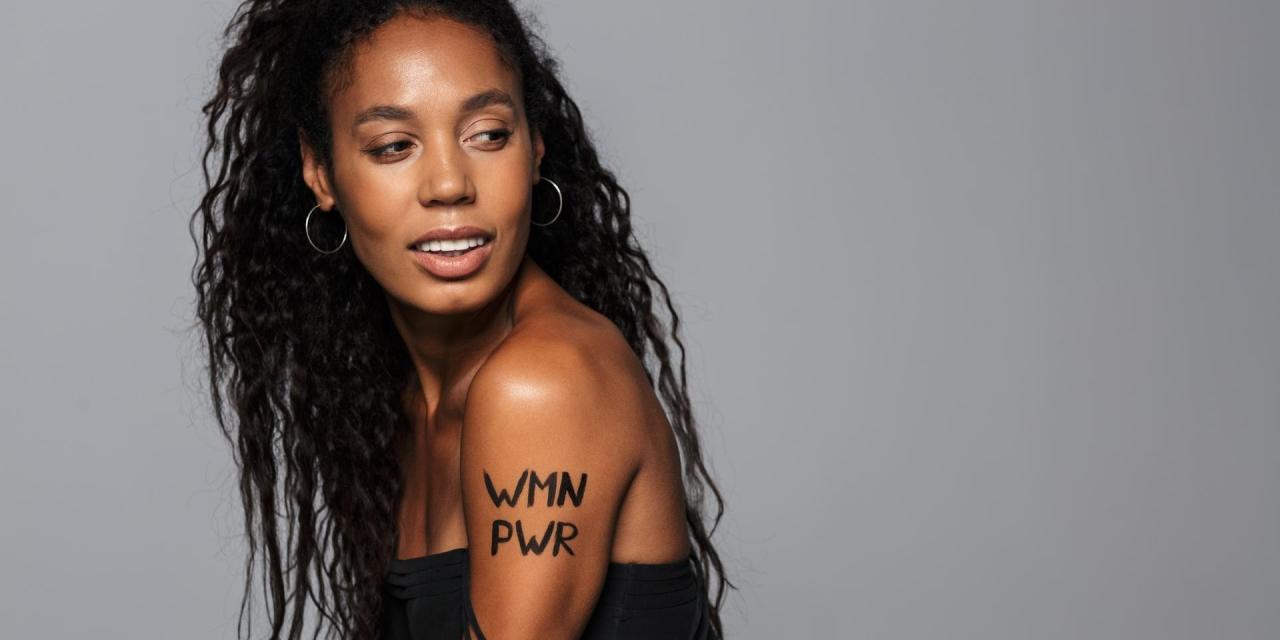
Female athletes in track and field encounter a myriad of challenges that stem from longstanding gender inequalities in sports. These challenges not only shape their experiences but also impact their performance and mental health. Addressing these issues is essential for promoting fairness and equity in athletics.One of the primary challenges faced by female athletes is the persistent issue of gender inequality.
This can manifest in various forms, including disparities in funding, sponsorship, and media coverage compared to their male counterparts. Female track and field athletes often receive significantly less investment in their training and competition resources. For example, a study highlighted that many women’s teams operate with budgets that are a fraction of those allocated to men’s teams, limiting their opportunities for development and exposure.
Impact of Media Representation
The media plays a pivotal role in shaping public perception of athletes, and for female athletes, the representation can often be skewed. The portrayal of female athletes tends to emphasize their appearance over their athletic achievements, which can undermine their credibility and contributions to sports. The significance of media representation includes the following points:
- Female athletes frequently receive less airtime than male athletes, which can lead to reduced visibility and recognition for their accomplishments.
- When female athletes are featured, the focus is often on traditional gender roles rather than their athletic prowess, perpetuating stereotypes.
- The lack of female representation in sports media can discourage young girls from pursuing athletics, as they may not see role models who reflect their aspirations.
“Media portrayal can either empower female athletes or reinforce limiting stereotypes that hinder their progress.”
Physical and Psychological Pressures
Female competitors in track and field also face both physical and psychological pressures that can affect their performance and well-being. The physical demands of training and competition can be exacerbated by societal expectations regarding body image and fitness.The pressures faced by female athletes can be categorized as follows:
- Physical pressures often include the need to maintain an ideal body type, which can lead to unhealthy practices such as extreme dieting or overtraining.
- Psychological pressures may arise from the pressure to perform, especially in high-stakes competitions where expectations are amplified by public scrutiny.
- Many female athletes report experiencing anxiety and stress due to the constant comparison to peers and the fear of not meeting societal standards, which can hinder their performance.
“The intersection of physical expectations and mental health challenges creates a complex landscape that female athletes must navigate.”
Prominent Female Athletes and Their Influence
The realm of track and field boasts an array of remarkable female athletes who have not only excelled in their respective disciplines but have also left a lasting impact on the sport and society. These athletes serve as inspirations, breaking barriers and setting records that resonate with aspiring young female athletes worldwide. Their contributions extend beyond medals and accolades, as they pave the way for future generations.One significant aspect of their influence is the role of mentorship and serving as role models, which is crucial in motivating young female athletes.
When established athletes take on mentorship roles, they provide guidance, support, and encouragement to the next generation. Their stories and experiences become powerful narratives that inspire young women to pursue their dreams in athletics.
Notable Female Athletes and Their Contributions
A few prominent female athletes have made substantial contributions to track and field, shaping the landscape of women’s athletics through their achievements and advocacy:
- Florence Griffith-Joyner: Known as “Flo Jo,” she shattered world records in the 100 meters and 200 meters in the late 1980s, records that still stand today. Her unique style and charisma brought a new dimension to athletics, inspiring many to embrace their individuality.
- Jackie Joyner-Kersee: A versatile athlete, she excelled in heptathlon and long jump, winning three Olympic gold medals. Beyond her athletic prowess, she has been a strong advocate for youth sports programs, emphasizing the importance of education and physical fitness.
- Allyson Felix: With multiple Olympic medals and world championships, Felix has been a constant in track and field for over a decade. She has used her platform to promote maternal health and gender equality in sports, demonstrating the power of advocacy alongside athletic achievement.
- Carmelita Jeter: A sprinter who won gold at the 2011 World Championships, Jeter has been involved in numerous initiatives to promote health and fitness among young girls, using her success to encourage participation in sports.
The achievements of these athletes not only highlight their individual talents but also reflect the growing recognition of women in athletics. They have become symbols of strength and resilience, inspiring countless young girls to engage in sports.
Role of Mentorship and Role Models
Mentorship plays a pivotal role in inspiring young female athletes, as the guidance from experienced professionals can significantly impact their journeys. Role models have the ability to instill confidence, provide insight into the athletic world, and share strategies for overcoming challenges.The importance of mentorship is evident in various programs aimed at developing young talent. These initiatives often pair seasoned athletes with girls who aspire to compete at higher levels, fostering an environment of support and encouragement.
The shared experiences and stories from these role models serve as motivation, illustrating that success is attainable with dedication and hard work.Some initiatives include:
- Girls on the Run: A program that combines running with life skills coaching, aiming to empower young girls through physical activity and mentorship from female coaches.
- Women’s Sports Foundation: This organization provides funding and resources for mentorship programs, emphasizing the necessity of female representation in sports.
- Track and Field Clinics: Many professional athletes host clinics that offer training and mentorship to young female athletes, helping them develop both their skills and confidence.
These programs highlight the profound impact that mentorship can have on young female athletes, showcasing the importance of having strong female figures who can inspire and guide them.
Comparison of Achievements Across Different Sports
The influence of female athletes extends beyond track and field, resonating across various sports. Comparing achievements across different athletic disciplines showcases the remarkable progress women have made in athletics and sports overall.Female athletes in other sports have made significant strides, such as:
- Serena Williams (Tennis): With 23 Grand Slam singles titles, Williams is a symbol of excellence and resilience, advocating for equal pay and opportunities for women in sports.
- Simone Biles (Gymnastics): Biles has revolutionized gymnastics with her groundbreaking performances, and her advocacy for mental health has sparked conversations that extend beyond the sport.
- Megan Rapinoe (Soccer): A World Cup champion, Rapinoe is well-known for her activism regarding equal pay for female athletes, bringing attention to gender inequality in sports.
These athletes, like their track and field counterparts, have become role models, demonstrating that female athleticism is powerful and influential. The collective achievements of women across sports contribute to a growing recognition of the importance of female athletics and the need for continued support and equity in all sporting arenas.
Conclusive Thoughts
In conclusion, the journey of female athletes in track and field is a testament to their strength, perseverance, and influence. As they continue to shatter records and redefine what is possible, their legacy will undoubtedly pave the way for future generations, inspiring young girls to chase their dreams and break boundaries.
Expert Answers
What are some historical milestones for female athletes in track and field?
Key milestones include the inclusion of women’s events in the Olympics starting in 1928, the establishment of professional leagues, and growing media coverage.
What are common challenges faced by female athletes?
Female athletes often face gender inequality, inadequate media representation, and pressures around performance and body image.
Who are some prominent female track and field athletes?
Notable athletes include Florence Griffith-Joyner, Jackie Joyner-Kersee, and Allyson Felix, each of whom has made significant contributions to the sport.
How does media representation affect female athletes?
Media representation can significantly influence public perception and support for female athletes, often affecting sponsorship and opportunities.
What role do mentors play in supporting young female athletes?
Mentors provide guidance, encouragement, and inspiration, helping young athletes navigate their careers and overcome challenges.